Thermal bed bug remediation provides an acute, non-chemical solution designed specifically for urban density and vintage Pacific Northwest architecture. In historic wood-framed structures across Northwest Portland's…
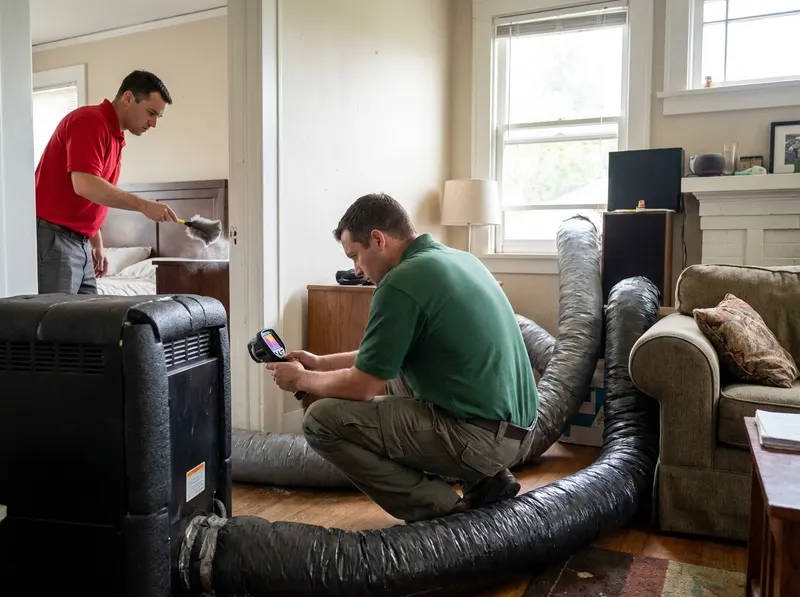
Thermal bed bug remediation provides an acute, non-chemical solution designed specifically for urban density and vintage Pacific Northwest architecture. In historic wood-framed structures across Northwest Portland's Alphabet District, Goose Hollow, and Laurelhurst, bed bug infestations exploit lath-and-plaster wall voids, wide baseboard gaps, and radiator floor penetrations. Conventional liquid insecticide applications frequently fail in these dense settings because repeated exposures have induced high pyrethroid resistance in modern Cimex lectularius populations, and contact sprays cannot penetrate deep cavity voids. Raising the thermal envelope of a room between 120°F and 135°F causes rapid dehydration and irreversible protein coagulation across all lifecycle stages within 90 minutes of continuous saturation. To protect structures without forcing tenants onto open-ended chemical regimens, high-velocity axial air movers circulate dry heat behind trim moldings, inside wall pockets, and into mattress seams where pests harbor.
Following thermal knockdown, technicians install pharmaceutical-grade amorphous silica gel desiccant into interior baseboard voids, wall plates, and carpet edges. Unlike toxic organophosphates, amorphous silica acts as a purely mechanical physical agent; it adsorbs the protective lipid layer of an insect's epicuticle, causing rapid dehydration and death within 24 to 72 hours of contact. This provides long-term preventive defense for multi-family units and residential properties in Hawthorne, Richmond, and the Alberta Arts District without introducing airborne residues that could jeopardize household pets, felines, or backyard urban poultry. Desiccant barriers stay chemically inert and structurally active indefinitely as long as treated voids remain dry.
Preparation protocols demand strict adherence to protect household belongings. High-temperature cycles require residents to remove pressurized aerosol canisters, low-melt wax candles, fresh produce, medications, vinyl records, oil paintings, and indoor houseplants prior to technician arrival. Sensitive consumer electronics can typically remain in place if powered completely down, as diagnostic sensors track core equipment temperatures to prevent exceeding manufacturer thresholds. The operational trade-off of whole-home thermal treatment is upfront logistical staging: homeowners in Sellwood-Moreland, Eastmoreland, and Montavilla must vacate the premises alongside pets for an 8-hour operational window, but the protocol entirely avoids repeated pesticide applications or the disposal of expensive furniture.
Every job gets a firm, written price after a free on-site visit.
Tell us about your bed bug heat remediation and targeted desiccant treatment job in Portland and we'll send a clear, written quote, usually the same day.
 Marvexa Pest Relief